The First Years Matter
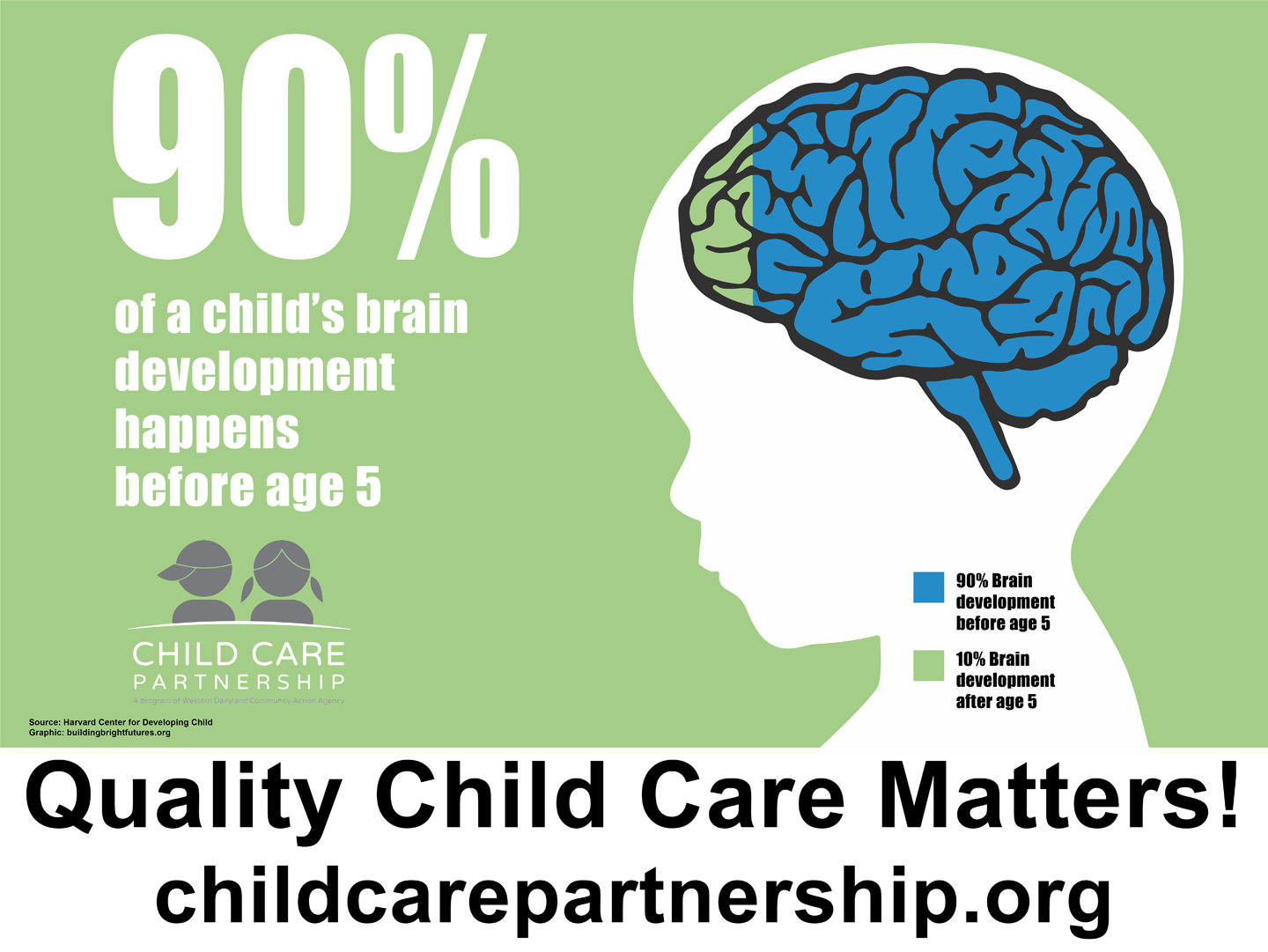
Research and science tells us that the first years, a child’s brain is rapidly developing and is the most critical time for healthy development. About 90% of the brain is developed by age 5 and the experiences during this time is built into the brain.
The first years are the most crucial to a child’s healthy development. During this period, one million brain connections form every second, laying a foundation for social emotional development, learning and skill-building.
Connections that are used are strengthened, while those that aren’t stimulated are lost through a natural process called pruning. This means that helping our children build strong brains means giving them stimulating learning opportunities and nurturing, responsive relationships—from day one. Watch this great "Brain Builders" video to learn more.
Getting kids ready for school means more than helping them with their ABCs, packing their lunches, filling their backpacks and getting them to the bus on time. It starts the day they're born with quality early experiences. When you talk, read, and sing with your child—even before she can use words—you’re building her brain and helping to prepare her for success in school and in life. To learn more about this, visit the Talking is Teaching website!
High Quality Child Care Matters
Ensuring families have access to high-quality child care is not just a nice idea. The research is clear that children who have high-quality early learning and development opportunities experience greater success in school, relationships, and life. High-quality programs have nurturing, professional caregivers who are educated in early childhood learning and development. They maintain the highest level of safety and cleanliness in accordance with state and federal regulations and offer a cheerful, child-centered environment that includes outdoor space. High-quality programming incorporates play-based activities that enrich and promote learning and development so children get the best preparation for life.
How to Choose Your Child Care
Choosing the right child care provider is a very important and difficult decision. Choosing a program that has values you respect and will give your child individual, caring attention is a great start to choosing.
Plan Ahead
-
A quick guide to regulated child care
-
There are often wait lists so be sure to start early.
-
Allow yourself plenty of time to search for a child care program. Ask yourself some initial questions. What type of care would be best your child? Would your child be more comfortable in a structured program? What are your needs in terms of location, hours of operation, and cost?
Locate Providers
Contact & Visit Programs
-
Reach out to child care programs to talk about your child care needs (age of child, schedule needed, etc.) to find ones that meet your needs.
-
Plan to visit a few different programs. If you are unsure what type of setting you are interested in selecting, visit both centers and family child care providers. Ask questions and take notes so you can compare the programs. Discuss what you want for your child, such as meals, naps, activities, etc. Eliminate any program that is unwilling to answer your questions or have you visit.
-
You could plan on visiting a second time with your child to see how your caregiver and child interact with one another.
-
While visiting programs, look for these things:
-
Observe awake active children to see how the child care provider interacts with the children.
-
Count the number of children and adults in the room. Do the child/adult ratios meet regulations requirements?
-
Is the facility clean and orderly?
-
Is there frantic yelling or enforced silence?
-
Are children involved and enjoying their activities?
-
Do children have access to toys and equipment appropriate for their age?
Check References
-
You may want to ask the program for references of parents who currently have their children enrolled. Making sure that the provider is highly recommended for their quality care helps you make a more sound decision about your child’s care.
Trust Your Gut
-
Pay attention to your initial feelings and intuitions. While there are things you can ask and observe, it is okay to act on your feelings. Any negative feelings are usually a good sign that the arrangement will not work out
Continue to Visit Program
-
After you have found child care, do not stop there. Continue to stay involved to make sure the program continues to meet your child’s needs. Visit the program both announced and unannounced. Listen to what your child tells you about his/her day. Talk to your provider about any concerns you may have.
|